The other day I went to look at a venue for an event. Halfway through the conversation with the owner, the subject turned to the venue's website. It was down. The owner already knew. The hosting bill had gone unpaid, and the developer who built the original site had no backup of anything.
I had an idea of how to fix it, and said: leave it with me, I'll think about your problem.
Four things to fix
The list was longer than it looked:
- Get access back to the account at registro.br, the Brazilian domain registry.
- With that account, get the domain's email working again, because that email was the recovery address for the other registro.br account, the one holding the site's original domain.
- Recover the site's content.
- Put up a new site and point the domain at it.
The site came back from archive.org
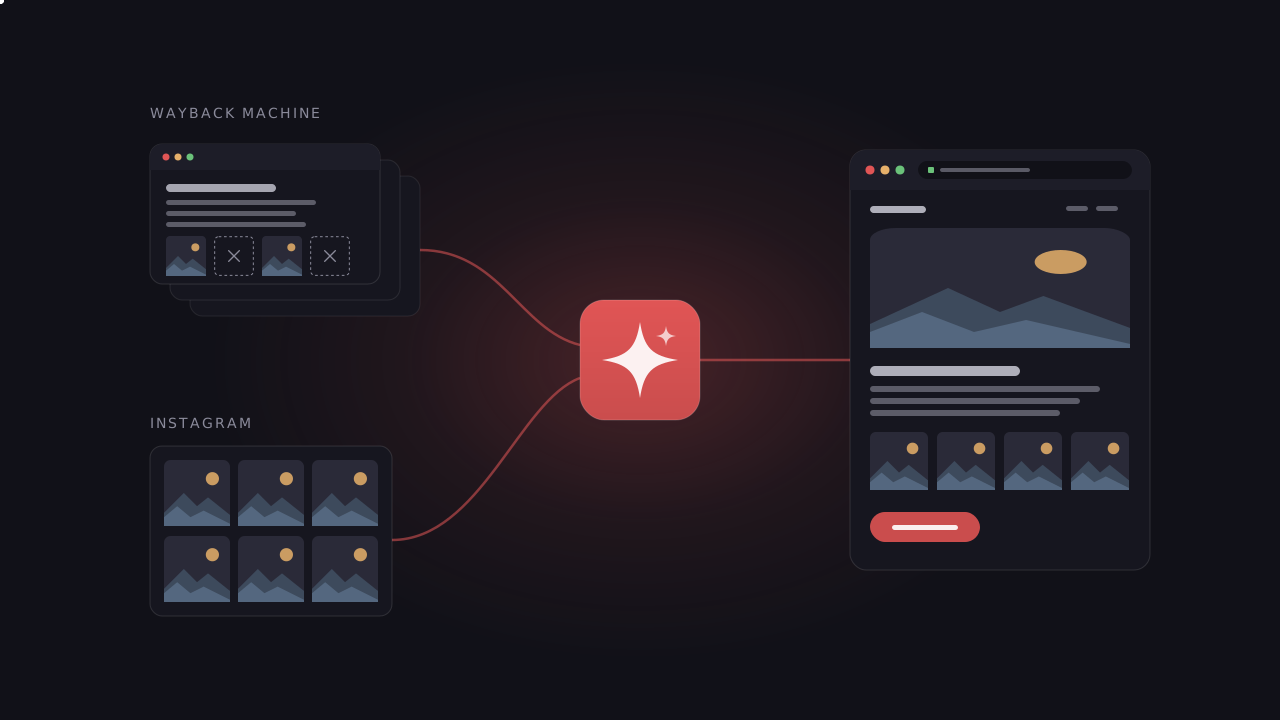
The content came from the Internet Archive. If you don't know it, archive.org is a library that keeps the history of the internet: every so often they take a snapshot of websites, and you can see what each one looked like years ago. Not every photo had survived in the snapshots, but the venue's Instagram had the rest.
The AI put it all together. I gave it the Wayback Machine snapshots and the Instagram account, and it rebuilt the site: text and page structure from one, the missing photos from the other.
The phone part
The hardest part was walking the owner through, over the phone, recovering the registro.br account, setting up the email and turning on two-factor authentication. Explaining which app to download and what that six-digit code that changes every thirty seconds is for makes for a long call, and for now no AI shortens that part.
When I say I'm optimistic about AI, this is the kind of thing I mean. In other times this job would have cost a lot, and probably nobody would have done it. This time it fit between one meeting and the next, and the site is back up.